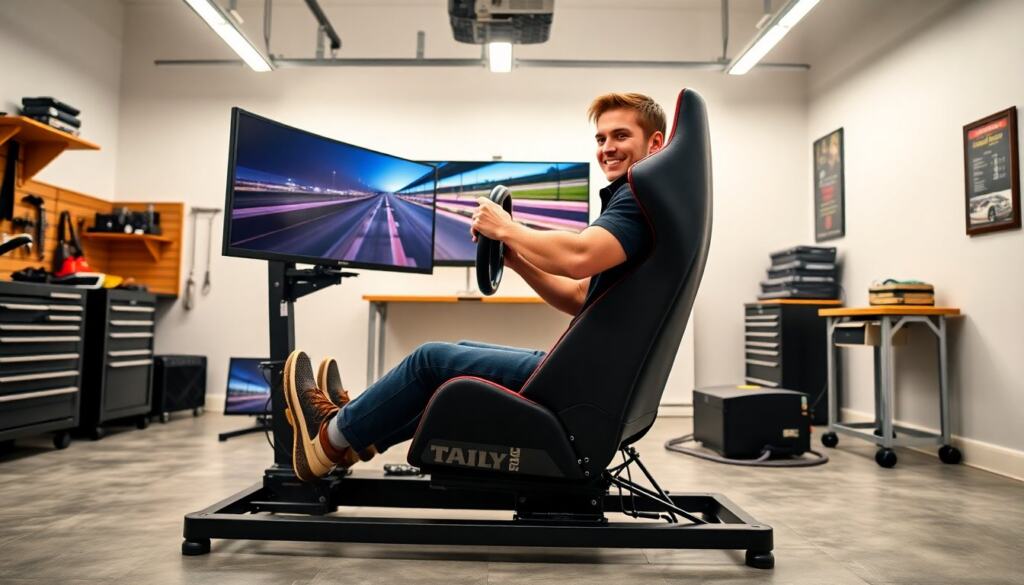
A sim racing seat can change lap times and endurance. This guide covers how a sim racing seat improves posture, force feedback response, and long runs. It lists seat types, materials, adjustments, and mounting tips. The guide helps a buyer match a sim racing seat to their body, wheel, and budget. It stays practical and concise so a reader can decide fast.
Key Takeaways
- A sim racing seat improves lap times and endurance by providing superior posture support and enhancing force feedback response.
- Choosing the right sim racing seat type—bucket, recliner, or rig-mounted platform—depends on space, comfort, realism, and driving style.
- Proper mounting and seat positioning are crucial to ensure ergonomics, prevent strain, and maintain compatibility with wheels and rigs.
- Different budget tiers offer varied materials and features; mid-range seats often provide the best balance of support and value for most drivers.
- For track-focused driving, a firm bucket seat or carbon option offers better control, while recliners prioritize comfort for longer sessions.
- Investing in a dedicated sim racing seat reduces fatigue and improves pedal consistency for both casual drivers and serious racers.
Why A Dedicated Sim Racing Seat Makes A Big Difference
A sim racing seat gives the driver better body support. It holds the pelvis and spine steady under heavy steering input. The seat reduces fatigue during long sessions. It helps the driver feel subtle force feedback through the wheel. It positions the driver for repeatable control inputs. A proper sim racing seat prevents sliding and improves pedal consistency. For drivers who train or race regularly, a dedicated seat raises performance and comfort in measurable ways.
Beyond comfort, a purpose-built sim racing seat also changes driver biomechanics: a well-shaped bucket locks hips and shoulders, which reduces micro-movements and lets inputs translate more directly into car behavior. Even small improvements in repeatability mean fewer errors over a stint and more consistent lap times. For sim rigs that use strong force feedback, a rigid seat that doesn’t twist or compress under load preserves the fidelity of what the wheel is telling you.
Finally, consider the psychological and training benefits. A dedicated sim racing seat can help build muscle memory because body position is consistent run-to-run. That consistency is especially valuable when practicing heel-and-toe, trail braking, or precise pedal modulation.
Types Of Sim Racing Seats: Choose The Right Form Factor
A buyer should pick a sim racing seat form that fits their space and goals. The main categories are bucket seats, recliners, and rig-mounted platforms. Each form affects comfort, realism, and compatibility. Consider how the seat mounts, how it adjusts, and how it fits the driver. Think about heat, padding, and long-term wear. A clear choice here avoids costly changes later.
Materials and construction vary across types: foam density, cover fabric (vinyl, cloth, or faux leather), and shell stiffness all contribute to feel and durability. Lower foam density can feel cushy at first but can compress quickly, changing posture over time. Higher density foam and reinforced shells keep the geometry stable. If you sweat during intense sessions, breathable fabrics and removable covers improve comfort and hygiene.
Bucket Seats Vs. Recliners Vs. Rig‑Mounted Platforms
A bucket seat mimics a race car shell. It gives firm lateral support and keeps the driver planted. A bucket works well for aggressive cornering and short, focused sessions. A recliner resembles a car seat with a wider back and more cushioning. It suits long endurance runs and drivers who value comfort. A rig-mounted platform lets a buyer fit any aftermarket seat directly to a frame. It offers the most flexibility for future upgrades. Each option trades realism, comfort, and cost.
Practical trade-offs to weigh: buckets typically restrict movement and may require a harness for best effect, so they pair well with wheel positions and pedal trays designed for race posture. Recliners can reduce lower-back strain for longer races but may compromise pedal feel for very technical inputs. Rig-mounted platforms are ideal when you want modularity—swap different shells or upgrade the seat without replacing the rig. If you expect to change equipment, prioritize platform compatibility and adapter options.
Fit is critical. Try to test a seat (or at least verify measurements) before buying: hip width, shoulder clearance, and thigh support length are common fit points that differ between shells. A seat that looks right on paper can still pinch or leave gaps in the lumbar region; look for models with adjustable pads or removable inserts to fine-tune fit.
Mounting, Wheel/Rig Compatibility, And Seat Positioning
Mounting type determines compatibility with wheels and rigs. Some sim racing seats bolt directly to steel rigs using standard holes. Others need adapter plates for certain frames. Check hole patterns, rail width, and bolt sizes before purchase. Seat position affects ergonomics and pedal feel. A lower seat height brings the legs closer to the pedals. A more reclined angle changes braking leverage. Measure wheel hub height and pedal angle to avoid wrist or back strain. Ensure the seat clears wheel rotation and accessory mounts.
When mounting, pay attention to the stiffness of the attachment points. Any flex between the seat and the rig can absorb force feedback and introduce laggy sensations. Use hardened bolts and lock washers where recommended, and confirm torque settings if provided. If an adapter plate is used, ensure it is rated for the loads generated by strong steering motors and that it does not alter seat geometry in unintended ways.
Seat positioning checklist: set hips slightly behind the pedal pivots for natural leg extension; align the top of the wheel with the chest or slightly below shoulder height to avoid shoulder elevation; set backrest angle so forearms rest comfortably on the wheel at about 90 degrees at the elbow under neutral steering—then fine-tune for your preferred driving technique. Record your final settings so you can restore them after adjustments or seat swaps.
Budget Tiers And Recommended Options For Different Drivers
Entry-level sim racing seats cost less and suit casual drivers. They provide basic foam padding and simple rails. Mid-range seats add firmer support, better materials, and more adjustments. Enthusiasts often find the best value in this tier. High-end seats use carbon shells, premium foam, and industrial-grade hardware. Pro drivers and frequent racers may justify this spend. For a tight budget, pick a sturdy rig-mounted platform and upgrade the seat later. For mixed use and comfort, choose a recliner with decent lumbar support. For track feel and control, pick a firm bucket or carbon option.
Recommendation guide by use-case: – Casual/home users: prioritize comfort and cost—look for breathable covers, easy-clean materials, and a simple rail that fits your rig. – Enthusiast/club racers: mid-range buckets or quality recliners with adjustable lumbar and side bolsters hit the best balance of support and price. – Competitive/streaming drivers: rigid shells, reinforced mounts, and premium foam retain geometry and feedback—these are worth the investment if you train multiple hours per day.
Longevity and maintenance: at every budget level, check serviceability. Removable covers, replaceable foam inserts, and available spare parts extend life and keep the seat performing. If you cannot test a seat in person, prioritize sellers with clear return policies and detailed dimensional specs so you can avoid an expensive mismatch.