| Reader situation | Headset | Listed price or spec | Planning use |
|---|---|---|---|
| Older or mid-range graphics card, tight budget | Meta Quest 3S with Meta Quest Link | $349.99 (128GB) or $449.99 (256GB), USD | The lowest-cost route into PC VR here; pick the storage size you need for installed apps. |
| Mid-range card, wanting a sharper image | Meta Quest 3 with Meta Quest Link | 25 PPD | The clarity benchmark for the Quest family; compare it with the Pimax figures before spending more. |
| High-end card, clarity first | Pimax Crystal Super 50 PPD | $1,599.00, USD | For buyers whose graphics card sits at the top of the range. |
| High-end card, flagship budget | Pimax Dream Air | $1,999.00, USD | The dearest listing in this guide; check its specification against the Crystal Super before paying the premium. |
| Already own or can find a Vive Pro 2 | HTC VIVE Pro 2 full kit | $799, USD, discontinued | Only worth considering as leftover stock; HTC no longer makes it. |
| PlayStation VR2 owner with a gaming PC | PSVR2 on PC | Eye tracking, HDR and haptics stop working | Usable, but you lose headline features. |
Prices come from the Knoxlabs PC VR collection and figures for the Quest, PSVR2 and graphics-card tiers from a VR headset comparison; all prices are in US dollars.
The best PC VR headset is the one your graphics card can drive comfortably: a Quest 3S suits older cards and tight budgets, while Pimax Crystal models suit high-end cards and buyers who want maximum sharpness.
This shortlist is organised by the hardware and budget you already have. For standalone headsets and the wider market, read our guide to the best vr headset uk.
Start with the graphics card you own
The graphics card is the spec that decides how far up the headset range you can sensibly go. A headset finder from simracingcockpit groups buyers by NVIDIA GeForce tier, from RTX 2000/3000 or older up to RTX 4090/5000. That spread is a useful way to think about your own PC: find where your card sits, then choose a headset in the matching price and resolution band.
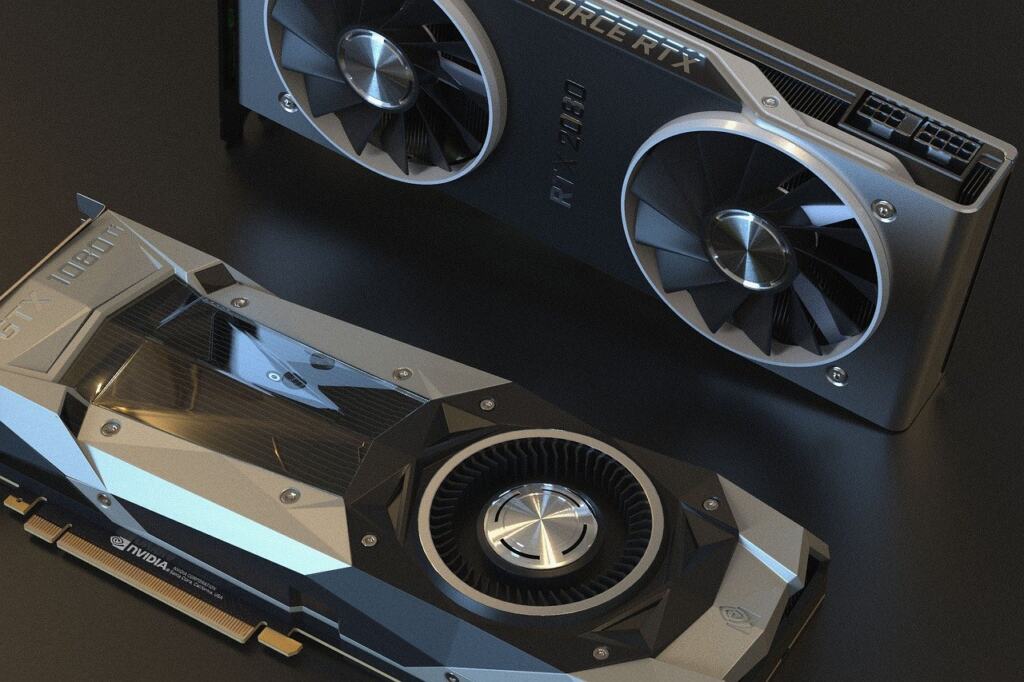
As a judgement, a sharper panel is a better purchase alongside a card near the top of that range than alongside an older one. If your card is at the older end, a lower-cost headset gives you VR without paying for resolution you cannot use.
Older or mid-range card on a budget
If your card is on the lower rungs of the GPU range, the Quest family is the practical place to start, using Meta Quest Link to run PC games.
Meta Quest 3S
The Quest 3S is listed at $349.99 for 128GB and $449.99 for 256GB, according to the headset comparison. It suits first-time buyers who want to test PC VR without committing to a premium headset. The trade-off is image clarity: it is the entry model, so players who care about fine detail in racing or flight games will eventually want something sharper.
Anyone shopping purely on price should also read our roundup of the cheapest vr headset options.
Meta Quest 3
The Quest 3 is rated at 25 PPD (pixels per degree) in the same comparison. That makes it the stepping stone between the entry model and the Pimax headsets, which are specified at far higher pixel density. It suits owners of a mid-range card who want a visible clarity gain without moving to a premium tethered headset. If you cannot decide between the two Quest models, our quest 3 vs quest 3s comparison sets out the differences.
SteamVR-first players
Players who live in SteamVR and want a headset designed around it have two established names, though only one is still easy to buy.
Valve Index
Launch coverage in 2019 from HotHardware described dual 1400×1600 RGB LCD panels that can run at 120Hz. It is a tethered headset, which matters if your desk sits far from the PC. It suits players who prioritise smooth motion at a high refresh rate over raw resolution. Check current UK stock and pricing before planning around it, since the specification dates from its launch.
HTC Vive Pro 2
HTC has discontinued the Vive Pro 2, and Knoxlabs lists a single full kit at $799. Treat that as remaining stock rather than a long-term platform, because accessories and support for a discontinued product become harder to rely on. It is worth considering only if you can see a sound full kit at a clear discount; otherwise a current headset is the safer choice.
High-end card and maximum clarity
At the top of the GPU range, the Pimax line is where resolution climbs. Pimax’s own comparison table gives the Crystal Light 2880×2880 and the Crystal Super 3840×3840.
Pimax Crystal Super
Knoxlabs lists the Crystal Super at $1,599.00, so it is the more affordable of the two premium Pimax listings here. Pimax’s figure of 3840×3840 and the 50 PPD in its name make it the clarity pick for simulation and detail-heavy games. Buy it only if your graphics card is at the upper end of the range; otherwise the extra resolution goes to waste.
Pimax Crystal Light
The Crystal Light has the lower resolution of the two Crystal models at 2880×2880. It suits buyers who want the Pimax approach but have a card that is strong without being top-tier. Compare its current price in pounds against the Super before deciding, because the saving only makes sense if the sharper panel is beyond your PC.
Pimax Dream Air
The Dream Air is listed at $1,999.00, above the Crystal Super. A higher price does not by itself mean a better headset for your games, so check its specification against your priorities before paying the premium.
PlayStation VR2 owners with a gaming PC
PSVR2 on PC
A PSVR2 can be connected to a PC, but the headset comparison notes that eye tracking, HDR and haptics all stop working there. That makes it a reasonable second use for a headset you already own, and a poor reason to buy one for PC alone. If PC VR is the plan, a Quest or SteamVR-focused headset gives you a fuller feature set for similar spending.
Frequently asked questions
| Question | Answer |
|---|---|
| Can I use a Quest with a PC? | Yes. Used with a PC through Meta Quest Link, a Quest opens up the whole SteamVR library, including titles such as iRacing and Assetto Corsa, according to the headset comparison. |
| Does a PC VR headset need a cable? | Not always, but some do. The Valve Index is a tethered headset with an included 5 m cable to the PC, per 2019 launch coverage, so plan your desk position around it. |
| Are the prices here in pounds? | No. The listings quoted are in US dollars, so use them to compare relative cost and check UK retailers for the price you would actually pay. |