Immersive dining experience guides chefs and planners in creating multi‑sensory meals. It places food, sound, light, and scent in a single design. The goal is to engage guests, create memory, and shape mood. This article lists clear steps. It explains core principles, sensory choices, and operational tasks. It helps teams plan an event that guests remember.
Key Takeaways
- An immersive dining experience creates a cohesive narrative by aligning taste, sight, sound, smell, and touch to engage guests fully.
- Successful immersive dining balances sensory elements and pacing to build mood and foster guest participation with minimal distractions.
- Clear planning steps include defining the concept, creating paired menus, building technical plans, staffing with roles, rehearsing, and disciplined execution.
- Using sensory cues like lighting, sound, and scent carefully enhances taste and memory without overwhelming guests.
- Collecting guest feedback and documenting each event helps teams refine and scale the immersive dining experience effectively.
- Prioritize cost-effective, high-impact elements and maintain safety and comfort to ensure a memorable and inclusive immersive dining experience.
What Makes A Dining Experience Truly Immersive?
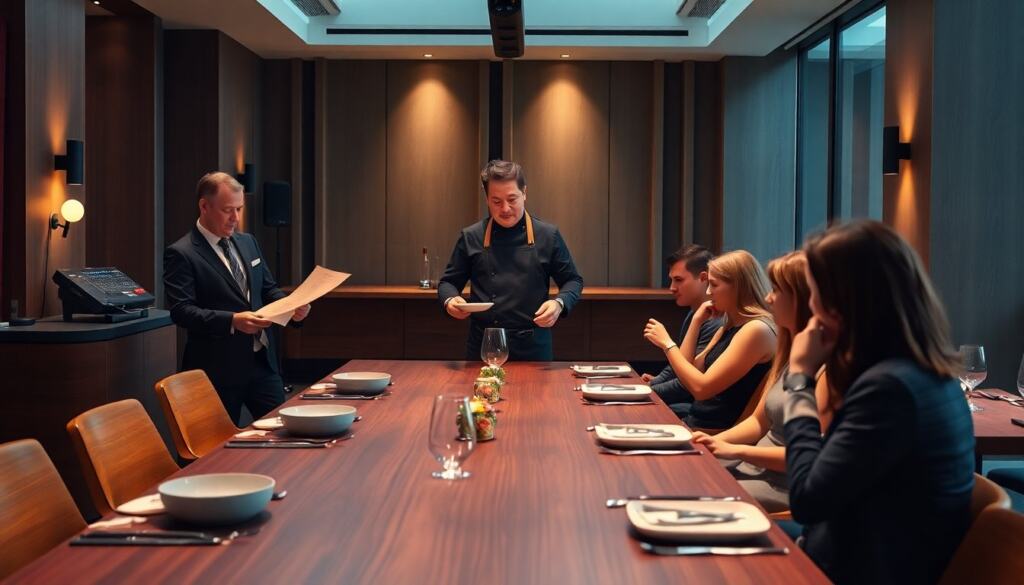
Immersive dining experience puts guests at the center of design. It aligns taste, sight, sound, smell, and touch to form a cohesive narrative. It uses pacing to reveal courses and shifts mood across the meal. It limits distraction so guests focus on the presented story. It fosters participation through guided choices, small rituals, or interactive elements. It measures success by guest recall, word‑of‑mouth, and emotional response. It treats consistency as essential: every element must support the meal’s theme. It avoids mismatched cues that break immersion. It balances novelty with comfort to keep guests engaged without alienating them. It uses simple rules: define a theme, pick two dominant senses, and ensure service supports the design.
Core Design Principles For Multi‑Sensory Engagement
Designers must set clear intent for each event. They state the emotional target and the practical limits. They map the guest journey from arrival to departure. They assign roles for storytelling, service, and technical control. They keep sensory layers limited to avoid overload. They test transitions to ensure they feel natural. They create fail‑safe plans for sound, lighting, and scent. They document cues, timings, and backup actions. They train staff to act and to respond when guests react unpredictably. They collect feedback after the event and they revise the plan for the next run.
Sensory Elements: Lighting, Sound, Scent, Texture, And Timing
Lighting sets focus and changes perception. Designers choose color temperature and dimming curves that match dishes. Sound sets pace and emotion. They select tracks and control volume per course. Scent primes taste and memory. They apply scent sparingly and match it to ingredients. Texture engages touch through plates, linens, and food mouthfeel. Chefs plan contrasts and consistent utensil choices. Timing choreographs reveal and clean‑up. Designers create cue sheets that specify seconds for each action. Staff follow those sheets to keep the experience tight. Designers use mock dinners to test timing under live conditions. They record those tests and refine cues based on guest behavior.
Step‑By‑Step Guide To Planning, Staffing, And Running An Immersive Dinner
Step 1: Define the concept and the guest profile. The team chooses theme, tone, guest count, and price point. They list required sensory tools and venue constraints.
Step 2: Create a menu that supports the concept. The chef pairs dishes with sound, light, and scent cues. The team writes precise plating instructions and portion sizes.
Step 3: Build a technical plan. The technical lead maps audio zones, lighting circuits, scent delivery points, and power needs. The lead notes equipment rentals and redundancy requirements.
Step 4: Staff the event with clear roles. The manager assigns a stage manager, a service lead, a sound operator, and a scent operator. Each person receives a cue sheet and a run‑of‑show.
Step 5: Rehearse with a dress run. The team times each cue and notes delays. They adjust recipes, serving sequences, and technical settings.
Step 6: Prepare guest communications. The marketing lead writes arrival instructions and accessibility notes. The front‑of‑house team greets guests and sets expectations.
Step 7: Run the dinner with disciplined cues. The stage manager calls actions and the team executes. The sound operator changes tracks on cue. The lighting operator follows the dimming curves. The scent operator applies aroma at planned moments. Servers clear plates to reset focus between courses.
Step 8: Capture feedback and data. The host asks targeted questions and they collect ratings. The team logs technical issues and guest comments for the next iteration.
Operational notes: They keep safety first. They avoid overpowering scents for allergy control. They provide quiet zones for guests who need them. They maintain consistent service timing to protect food quality. They use simple backup plans, such as printed program copies if tech fails.
Cost control tips: They prioritize high‑impact, low‑cost elements like curated playlists and warm lighting. They rent specialist gear only where it changes guest perception. They scale staff to match guest count and complexity.
Scaling advice: They document templates for cue sheets, recipes, and supplier lists. They reuse those templates to speed setup for future events. They update those templates after each run based on real performance.