A virtual museum tour gives remote visitors access to galleries and artifacts from home. It uses photos, video, 3D models, and guided audio. Museums publish tours on websites and apps. The tours let people learn, plan real visits, or enjoy art and history when travel is not possible. They matter now because many institutions update their collections and digital tools for wider access.
Key Takeaways
- A virtual museum tour offers remote access to galleries using high-resolution images, 3D models, and guided audio, enriching the visitor experience without travel.
- These tours are vital in 2026 as museums expand digital collections to support education, accessibility, and wider cultural engagement.
- Choosing the best virtual museum tour involves considering goals, device compatibility, and authenticity by selecting reputable institutions or platforms.
- To maximize a virtual museum tour, prepare your device, use headphones, explore interactive tools, and engage with live curator events when available.
- Regular, focused virtual museum tours enhance learning and enjoyment, with options to bookmark favorites and revisit updated content.
What A Virtual Museum Tour Is And Why It Matters Now
A virtual museum tour shows exhibits through digital media. It presents high-resolution images, panoramic views, and narrated explanations. Institutions post tours on their sites and on platforms like Google Arts & Culture. Many tours include zoomable images and mapped routes. A virtual museum tour lets a person view objects that a small gallery might otherwise restrict.
They matter in 2026 because museums expanded their online collections after recent funding and tech updates. A virtual museum tour helps education programs reach classrooms. It helps travelers preview exhibits before they book. It also helps researchers access details without travel. Smaller museums use tours to raise awareness and support. Larger museums use tours to share conservation work and new acquisitions.
A virtual museum tour can include curator talks and restoration videos. It can present interactive timelines and searchable catalogs. When a person uses a tour, they can save favorites and read provenance notes. A virtual museum tour cuts cost and time for many visitors. It increases access for people with mobility limits. It supports inclusive access to culture and history.
How To Choose And Access The Best Virtual Museum Experiences
A user should set a clear goal before they pick a virtual museum tour. They should ask if they want high-detail images, a guided audio tour, or interactive learning. They should then check device compatibility and internet needs. Many tours work on mobile devices, tablets, and desktop browsers. Some tours require a fast connection for high-resolution 3D models.
A user should favor tours from reputable institutions. Major museums often label objects and cite sources. A quick check of the museum site helps confirm authenticity. Platforms like Google Arts & Culture and museum apps gather many tours in one place. Those platforms let users compare features and read user reviews.
A user should test sample pages before committing time. They should play a short clip, zoom an image, and open a label. If the tour includes a virtual guide, they should sample the narration for clarity and length. They should also check language options and captioning for accessibility.
A user can access premium virtual museum tour content through memberships or ticketed virtual events. Those often include live Q&A with curators. Many free tours still offer deep scholarly notes. A user should balance cost against the depth of material and the presence of original media like 3D scans or conservation footage.
Practical Tips For Getting The Most From A Virtual Visit
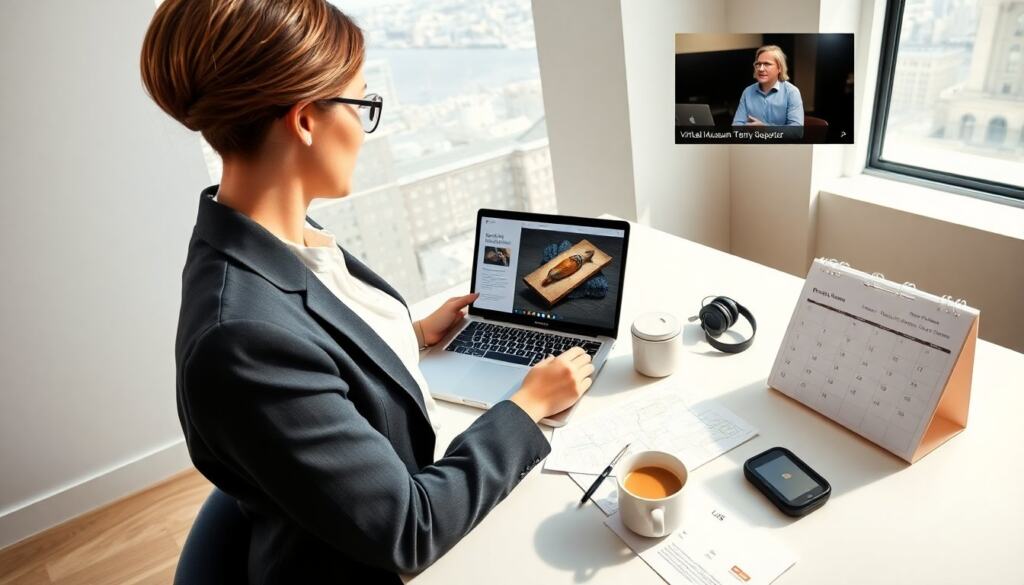
They should prepare their device and space before a virtual museum tour. They should close unused tabs and set the screen brightness to a comfortable level. They should use headphones for narrated tours. Headphones improve focus and reveal audio details that speakers may miss.
They should pace the visit. They should spend time with one object, read the label, and zoom into details. They should take notes or save screenshots for study. If the tour allows bookmarking, they should use that feature to build a short follow-up list.
They should use the tour tools. They should enable captions, view floor plans, and open related essays. They should try any 3D viewers and rotate objects to inspect all sides. For interactive timelines, they should filter by date or theme to narrow the view.
They should join live or timed events when available. Live curator talks and Q&A sessions let them ask targeted questions. They should also pair a virtual museum tour with a short reading or video about the artist or period. That pairing deepens understanding without adding much time.
They should create a simple routine for repeat visits. They should plan a focused 30- to 45-minute session rather than a marathon. They should revisit favorite objects and check for updates. Museums add new material and release new virtual museum tour features on a regular basis.