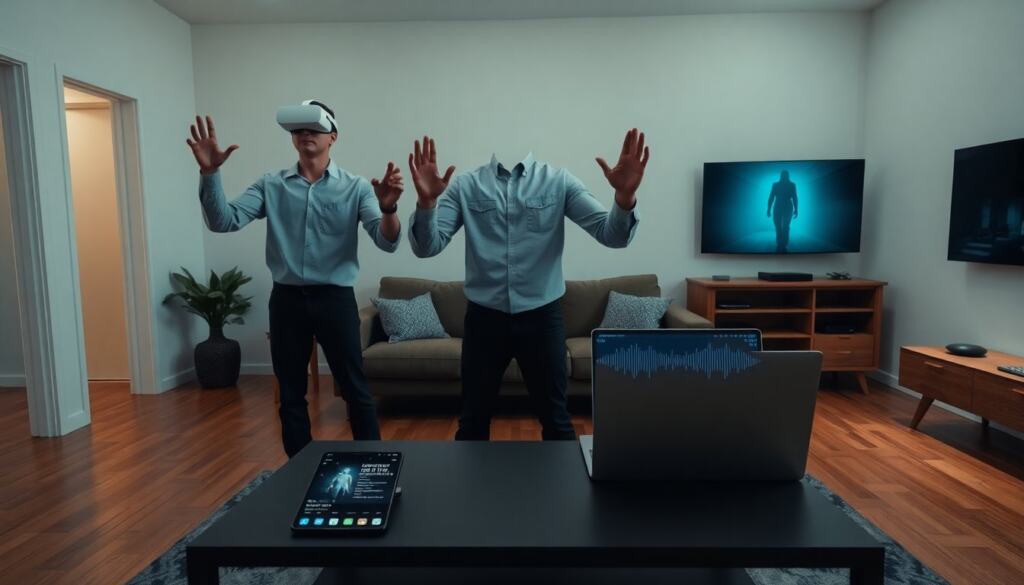
vr horror games place players inside scenes that trigger fear. They use visuals, sound, and movement to create strong presence. Players feel as if they occupy the same space as virtual threats. This guide explains why fear rises in VR, which design choices matter, how players should prepare, and which titles deliver the most intense scares in 2026. Below you will find practical explanations of the underlying psychology, concrete design elements developers rely on, preparation steps to stay comfortable and safe, and a clearer breakdown of the different kinds of VR horror experiences so you can pick the right one for your tolerance and hardware.
Key Takeaways
- VR horror games intensify fear by creating a strong sense of presence that tricks the brain into reacting to virtual threats as real dangers.
- Effective VR horror design relies on immersive sound, interactive gameplay, and balanced pacing to build tension and deliver impactful scares.
- Preparing for VR horror games involves adjusting headset settings for comfort and safety, clearing the play area, and taking regular breaks to manage stress.
- Short indie VR horror games provide intense, quick scares, making them ideal for players seeking bursts of fear without long commitments.
- Long narrative VR horror titles combine storytelling with immersive gameplay, offering deep atmosphere and escalating threats for players who enjoy slow-building dread.
- Multiplayer VR horror modes enhance fear through social interaction, cooperative safety, and asymmetric gameplay that creates unpredictable and shared terrifying moments.
Why Virtual Reality Intensifies Fear: Immersion, Presence, And Physiological Response
Virtual reality intensifies fear because it increases presence. Presence makes players accept virtual events as real. vr horror games exploit presence with first‑person view and head‑tracked movement. The brain reacts to perceived danger with faster heartbeat and raised breathing. Designers trigger startle reflexes with sudden audio cues and close visual threats. Players also lose typical escape cues like a screen edge or a controller view. These changes raise emotional stakes and make fear more direct and immediate.
Beyond startle responses, VR can alter how the nervous system evaluates risk. Visual fidelity, believable lighting, and accurate spatial audio combine to convince the sensory systems that an environment is trustworthy enough to respond to. When the body responds as if the danger is real, adrenaline and cortisol amplify attention and memory encoding—this is why a short VR horror moment can feel much more intense than the same event watched on a flat screen. Individual factors—such as prior experience with VR, baseline anxiety, and how well a player adapts to motion—also shape reactions, so two players can have very different experiences in the same vr horror games.
Design Elements That Make VR Horror Work: Sound, Interaction, And Pacing
Sound drives fear in vr horror games because it signals hidden threats. Subtle ambient layers create expectation. Clear directional audio tells players where to look. Interaction matters next. When players grab, throw, or hide, they feel control and vulnerability at once. Simple physics and responsive hands improve believability. Pacing ties sound and interaction together. Short tension spikes followed by calm moments increase dread. Long, unbroken shock sequences fatigue players and blunt fear. Good titles balance quiet exploration with well-timed scares.
On the sound front, designers layer low-frequency rumble, distant footsteps, and intermittent cues to create spatial uncertainty; these cues work best when they respond to player movement, not on a fixed timer. Interaction design favors affordances that align with real‑world expectations—objects that weight realistically, doors that resist rather than open instantly—to maintain immersion and make sudden failures more frightening. Pacing is often implemented through environmental storytelling and resource management: limited light, scarce ammunition, or unreliable tools force deliberate decision-making, which increases tension without relying solely on jump scares. Finally, procedural elements such as adaptive enemy positioning or randomized audio events can keep repeat playthroughs unpredictable while still coherent.
How To Prepare For VR Horror: Comfort, Safety, And Technical Settings
Players should adjust settings before starting vr horror games. They should set headset fit and IPD for clear vision. Lower field of view or enable vignette to reduce motion sickness. Players should test turning options: smooth or snap rotation. They should turn off persistent background apps to avoid lag. For safety, players should clear play area and use guardian bounds. Players should also set a time limit and take breaks every 20–30 minutes. If a player feels too stressed, they should stop and remove the headset.
To add practical steps: do a quick audio and visual check in a calm scene first so you understand how the game renders voices and movement; adjust brightness, contrast, and comfort options (vignette, locomotion speed) before engaging with intense segments. Keep a bottle of water nearby and consider playing seated if your play space is small or if you are prone to balance issues. If you are playing multiplayer, review voice and friend controls so unexpected players or chats don’t add to stress. Finally, read any age or content warnings—vr horror games can include themes and imagery that are more intense than traditional titles thanks to VR’s heightened realism.
Top VR Horror Games To Play Right Now
The list below covers short indies, long story games, and multiplayer experiences. The selections focus on quality design, strong presence, and replay value. Each pick shows a different way vr horror games can scare players.
Short Indie Experiences Worth Trying
Indie titles deliver tight, intense bursts of fear in vr horror games. Short games let players try extreme tension without long commitment. Examples include experimental walk‑throughs that pair sound design with one main mechanic. Some indies use confined spaces to heighten claustrophobia. Others focus on a single enemy with reactive AI that learns player movement. These games often cost less and update faster. Players who want a quick scare should sample two or three indies before committing to a long campaign.
Short experiences are also a good place to test your personal tolerance for VR horror: they often include selectable difficulty or content toggles that let you dial back intensity or shorten sessions. Because many are developed by small teams, indies frequently explore unusual concepts—nonlinear scares, sensory‑based puzzles, or experimental control schemes—that can produce memorable moments without hours of playtime. If you find a mechanic that unnerves you, search for other indies that refine that single idea for more focused experiences.
Long Narrative Titles For Players Who Want A Story
Long narrative titles show how vr horror games can combine plot and presence. They place players in layered stories with exploration, puzzles, and character moments. These games reward patience with escalating threats and deeper atmosphere. They often use saved progress and multiple environments to vary tension. Players get stronger immersion from detailed visuals and lengthy audio tracks. Long titles may require more playtime and better hardware. Players who enjoy story and slow dread will prefer these entries.
In narrative-driven VR horror, pacing is traded for emotional payoff: investigators uncover lore, build relationships with NPCs, or piece together why the environment is hostile. The slow burn allows designers to subvert expectations—friendliness becoming threatening, ordinary objects turning malevolent—so that later scares carry more narrative weight. Technical considerations matter more here: longer sessions reward higher resolution headsets, good headphones, and stable tracking to avoid breaks in immersion, which can reduce the overall impact of the story and scares.
Multiplayer And Asymmetric VR Horror To Share The Terror
Multiplayer modes change how vr horror games scare players. Cooperative play adds social safety while keeping tension. Asymmetric modes place one player as hunter and others as prey. This format creates emergent moments and unpredictable scares. Voice chat amplifies fear because players react in real time. Shared fear can make experiences feel more intense and funny at once. Players who want social play should test match settings and mute options before joining public lobbies.
Multiplayer also introduces design challenges—latency, synchronized events, and balancing player roles to avoid ruined immersion—but when done well it produces unique memories: teammates calling out threats, coordinated escapes, or the dread of not knowing which player is the enemy. For those who prefer a gentler experience, co‑op modes where players support each other can reduce stress; for players seeking the highest adrenaline, asymmetric formats where one player controls the threat can escalate tension rapidly. Always review community guidelines and report tools to maintain a safe and enjoyable play environment.