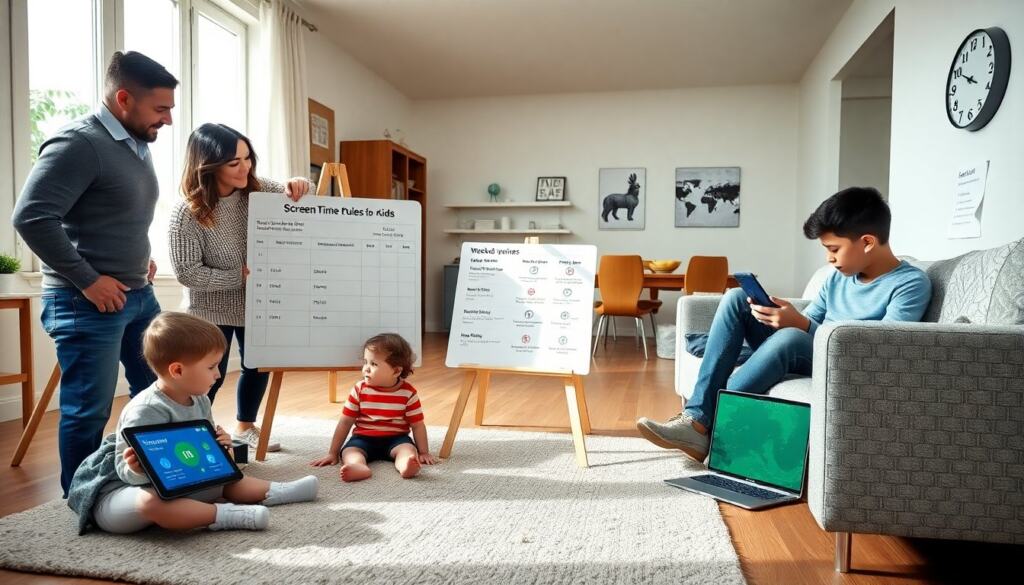
Screen time rules for kids must start with clear limits and consistent routines. Parents set expectations, and children learn habits. This article explains why limits matter, offers age-based daily limits, and lists practical strategies parents can use at home. The guidance suits toddlers through teens and reflects current health and sleep evidence. Readers get simple examples they can apply this week.
Key Takeaways
- Effective screen time rules for kids start with clear limits and consistent routines to promote healthy habits and development.
- Age-based daily screen time limits vary from no screen time for infants to 2-3 hours for teens, emphasizing quality content over quantity.
- Limiting screen time helps protect children’s physical health, attention span, and sleep quality by reducing excessive exposure to screens.
- Practical strategies include setting predictable consequences, using parental controls, creating device-free zones, and offering engaging offline activities.
- Involving children, especially teens, in rule-making fosters responsibility and cooperation for healthier screen habits.
- Parents modeling good screen behavior reinforces rules and encourages children to follow screen time limits consistently.
Why Screen Time Rules Matter: Health, Learning, And Sleep Impacts
Children use screens for play, learning, and social contact. Excessive screen time harms physical activity. Children move less when they use screens for long periods. Reduced movement raises risks for weight gain and lowers cardiovascular fitness. Screens also affect attention. Long sessions of fast-paced content reduce attention span for slower tasks like reading or assignments. Caregivers who limit screen time help children build focus.
Screens also change sleep. Bright screens before bed suppress melatonin. Children who use screens late fall asleep later and sleep less. Sleep loss then lowers mood and school performance. Health groups recommend limits to protect sleep.
Screens deliver learning content too. Good apps and videos can teach language, math, and social skills. But passive viewing offers less learning than interactive play. Parents who set rules can promote apps that teach and reduce passive scrolling. Clear rules make it easier to choose high-quality content.
Rules also shape habits. Children adopt daily routines from adult behavior and household norms. Families that set limits on screens encourage other healthy habits, like outdoor play, reading, and family meals. Rules give children predictable structure. Predictable structure reduces power struggles and helps children meet developmental milestones.
Age‑Based Daily Limits And Realistic Examples (Toddlers to Teens)
Infants (0–18 months): Experts advise no screen time except video calls with family. Caregivers hold infants during video calls so the child gets social interaction. This rule helps language and attachment.
Toddlers (18–24 months): Limit screen time to short, high-quality videos with a caregiver present. One 10–15 minute session per day works for many toddlers. Caregivers talk about what appears on screen to boost learning.
Preschool (2–5 years): Offer up to 1 hour per day of quality educational content. Parents co-watch and ask questions. A routine example: 30 minutes after nap and 30 minutes on weekend mornings. Combine screen sessions with active play and book reading.
School‑age (6–12 years): Aim for 1.5 to 2 hours per day of recreational screen time outside schoolwork. Include device-free times like family dinner and 1 hour before bedtime. Example schedule: 45 minutes after assignments, 45 minutes on weekends for games or shows. Reserve additional time for school projects as needed.
Teens (13–18 years): Aim for 2 to 3 hours of recreational screen time per day. Teens may need flexibility for assignments and social contact. Set firm rules for bedtime and wake time. Example rule: no personal devices in bedrooms after 10 p.m. on weeknights. Encourage teens to track their own screen use and set personal goals.
Special notes: Content matters as much as minutes. Prioritize interactive, educational, or creative screen use over long passive viewing. Parents should adjust limits for individual needs, health issues, or special learning needs. Parents who model healthy screen habits make rules easier to follow.
Practical Strategies To Set, Enforce, And Adjust Screen Time Rules At Home
Families set rules that match their values and daily schedule. Parents start by listing priorities: sleep, schoolwork, family time, and play. Then they set clear screen time rules for weekdays and weekends. They write the rules down and post them where children can see them.
Enforcement works best with predictable consequences. Parents explain rules calmly, and they apply the same consequence every time. For example, a missed bedtime rule reduces screen time the next day. Consistent enforcement teaches cause and effect to children.
Use tools to simplify enforcement. Parents set device timers and use built-in parental controls. Timers stop sessions without repeated reminders. Parental controls limit access to apps and set bedtime locks. Devices with family accounts allow parents to approve downloads and set daily limits.
Create device-free zones and times. Parents make bedrooms and dining tables device-free. Device-free zones protect sleep and promote family connection. Parents also set device-free periods, such as the first hour after waking and one hour before bed.
Offer replacements for screen time. Parents schedule outdoor play, crafts, reading, and board games. They plan short activities that children enjoy. Parents prepare a list of five offline options to use when a child requests a screen.
Involve children in rule making. Parents ask older children to suggest limits. Children who help set rules take more responsibility. Parents also let teens propose trade-offs, like extra weekend minutes for completed chores.
Review rules monthly. Families track how rules affect sleep, schoolwork, and mood. Parents adjust limits when needed. For example, they may relax weekend limits for a special event or increase limits during intense school projects. Regular review keeps rules practical and fair.
Model the desired behavior. Parents put their own devices away during family time. Children copy adult habits. A parent who follows the household rules makes enforcement credible and consistent.