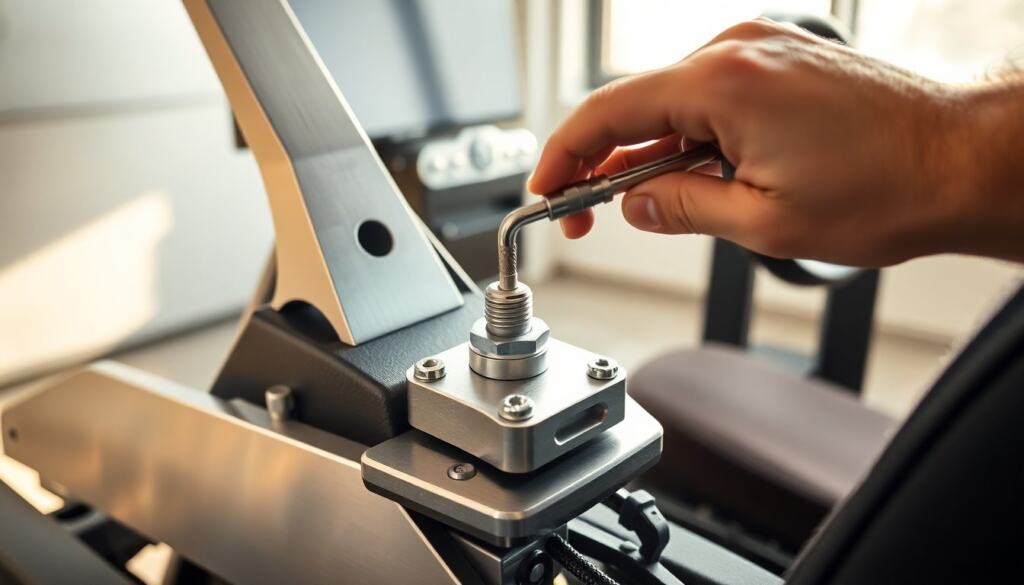
For serious sim racers and driving-simulator builders, load cell pedals deliver a brake feel that mimics a real car more closely than traditional potentiometer or hall-effect units. This guide explains how load cell pedals work, why they produce more consistent and realistic feedback, which specifications matter, and how to install and maintain them for the best braking fidelity.
Key Takeaways
- Load cell pedals measure braking force instead of pedal position, providing consistent and realistic brake feedback essential for serious sim racers.
- They outperform potentiometer and hall-effect sensors by offering linear force response, stable calibration, and customizable pedal progression through software.
- Key specifications to compare include load cell range, sensitivity, signal output format, and mechanical travel to match your budget and simulation needs.
- Proper installation and preload setting of load cell pedals are critical to achieving accurate brake feel and avoiding odd pedal behavior.
- Regular maintenance and troubleshooting, such as checking wiring and recalibrating, help sustain performance and identify when replacement is necessary.
- Using load cell pedals improves braking fidelity by mimicking real hydraulic brake behavior, enhancing realism and repeatability in driving simulators.
What Are Load Cell Pedals And How They Work
Load cell pedals measure force applied to the pedal rather than pedal position. Instead of tracking travel with a variable resistor or magnet, a strain-gauge load cell senses deformation under load and outputs a proportional electrical signal. That signal is converted by the pedal’s internal electronics (or an external controller) into a brake input for the wheelbase or simulator software. Because the reading depends on force, not pedal angle, small differences in foot placement and pedal travel produce consistent braking behavior, important for repeatable lap times and realistic muscle feedback.
Why Load Cell Pedals Beat Potentiometers And Hall Sensors For Realism
Load cell pedals outperform potentiometer and hall-effect sensors in several practical ways. First, they provide linear force response that mirrors hydraulic brake behavior: initial compliance followed by progressive stiffness. Second, load cells avoid wear-related drift common with pots and reduce hysteresis seen in some hall sensors. Third, many load cell units include adjustable deadzone and travel maps in software, letting users tune pedal progression without mechanical mods. For racers chasing consistency, the combination of longevity, stable calibration, and realistic feel is why load cell systems are preferred.
Types Of Load Cell Pedals And Key Specifications To Compare
Load cell pedals come as complete pedal sets, brake-only conversion modules, or DIY load cells for custom rigs. Choosing between them depends on budget, space, and desired realism. Key specs to compare include load cell range, sensitivity, signal output format, mechanical travel, and platform compatibility. Below are the most useful sub-specifications to understand before buying.
Installation, Calibration, And Best Practices For Accurate Brake Feel
Installation starts with a secure mount, no wobble, no twist. Follow manufacturer torque specs for bolts and ensure the load cell preload is set per instructions: incorrect preload is a common source of odd pedal feel. Calibration steps usually include zeroing the sensor, setting maximum force, and mapping brake curve in software: use small incremental adjustments and test in short sessions. Best practices: wear driving shoes or consistent footwear during tuning, log calibration profiles for different cars, and allow a burn-in period for mechanical settling. Boldly label and save profiles so the user can revert quickly after changes.
Troubleshooting, Maintenance, And When To Replace Your Load Cell Pedal
Common issues include drift (slow change in zero), intermittent readings, or a mushy feel. Troubleshooting steps: check wiring and connectors for corrosion, confirm preload isn’t loose, and run the pedal through the device’s calibration utility. Maintenance: keep pivots clean, periodically inspect for play, and avoid exposing the load cell to impact or moisture. Replace the pedal or load cell if readings become erratic after eliminated wiring and firmware causes, or if mechanical wear introduces permanent play, signs include inconsistent bite point, visible cracks, or failing calibration that returns after retries.
Frequently Asked Questions About Load Cell Pedals
What are load cell pedals and how do they enhance sim racing realism?
Load cell pedals measure the force applied to the pedal using a strain gauge instead of position. This results in more consistent braking feel and realistic muscle feedback, closely mimicking hydraulic brakes in real cars.
Why do load cell pedals offer better performance than potentiometer or hall-effect pedals?
Load cell pedals provide a linear force response with progressive stiffness, avoid wear-related sensor drift, and often feature software-adjustable deadzones and travel, enabling stable calibration and superior realism.
How should I install and calibrate load cell pedals for optimal brake feedback?
Secure the pedals firmly without wobble, adjust the preload per manufacturer instructions, zero the sensor, set maximum force limits, and fine-tune the brake curve incrementally in software. Consistent footwear and profile saves improve tuning accuracy.
What key specifications should I consider before purchasing load cell pedals?
Consider load cell range, sensitivity, signal output format, mechanical travel, and platform compatibility to choose between complete sets, brake-only modules, or DIY solutions based on budget and desired realism.
How can I troubleshoot and maintain load cell pedals to ensure longevity?
Check wiring and connectors for corrosion, verify preload isn’t loose, clean pivots, avoid impacts and moisture, and recalibrate regularly. Replace the load cell if readings become erratic or mechanical wear causes inconsistent bite points.
Can I customize the pedal response curve with load cell pedals?
Yes, many load cell pedals allow users to adjust deadzones and travel maps via software, letting you tailor brake progression without mechanical changes for a personalized, realistic driving experience.